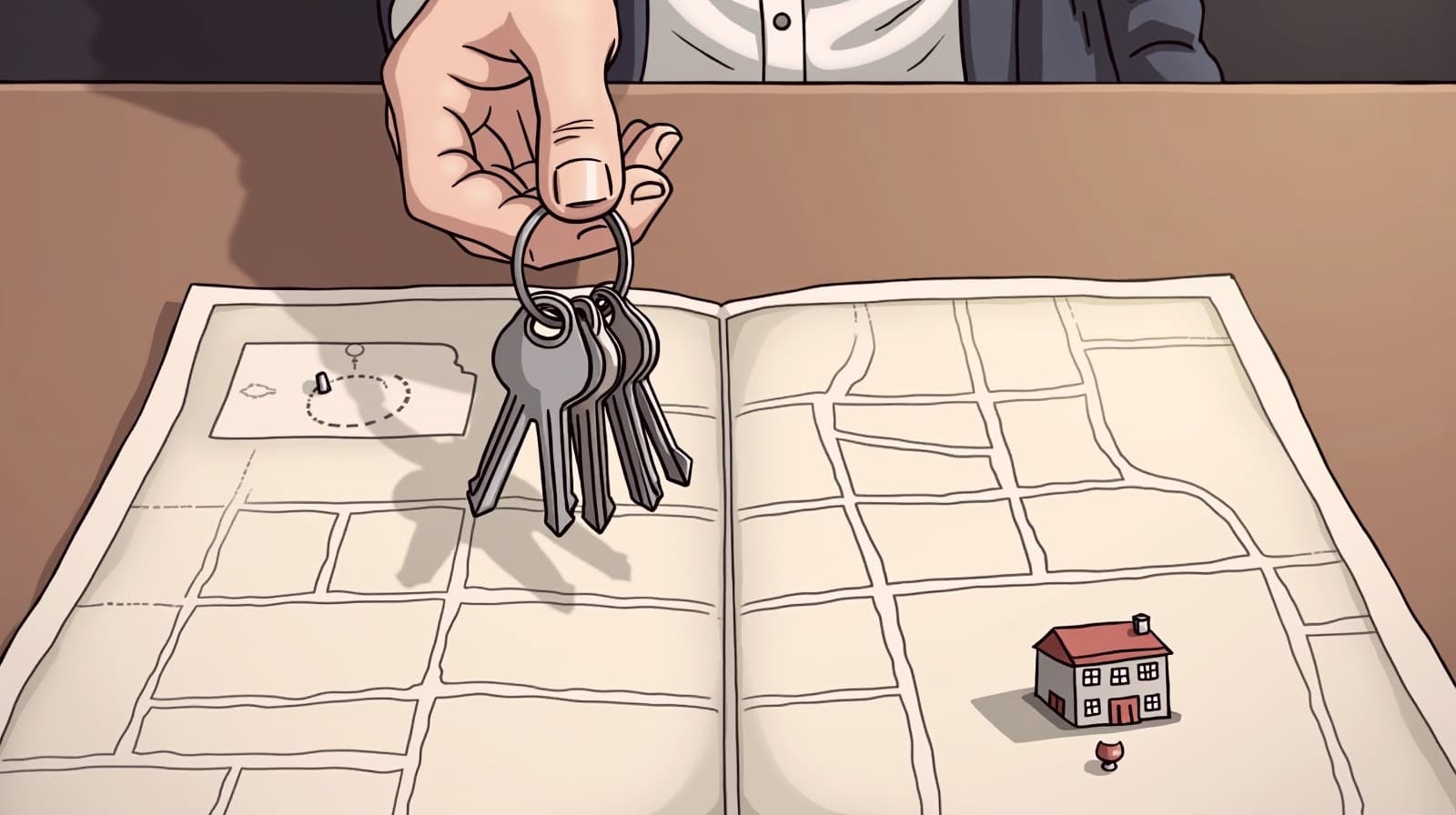
How to Choose a NYC Neighborhood When You Have Kids
Every neighborhood guide in New York was written for someone without children. Here's how families actually decide — the school zone, the block, the commute, the cost — and how to weigh them together instead of one tab at a time.
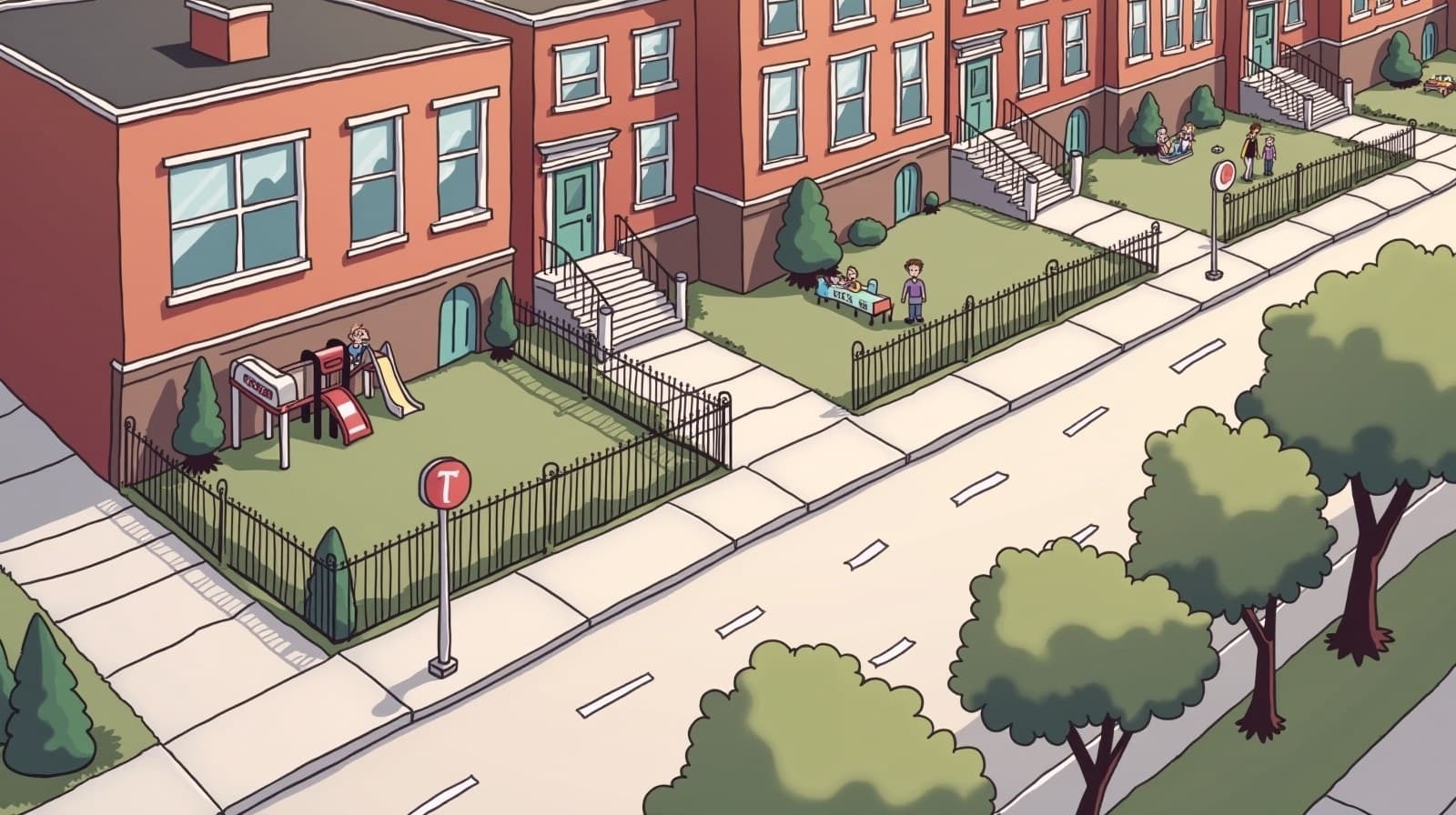
Almost every “best neighborhoods in NYC” list you’ll find was written for a 26-year-old without kids. It ranks the bars, the brunch, the nightlife, the “energy.” None of that is the question you’re actually asking. You’re asking something harder and much more specific: will this block work for my family for the next ten years?
And in New York that question has a twist most guides never mention: you can’t really choose the neighborhood without choosing the school, and you can’t choose the school without choosing the neighborhood. Your address sets your zoned elementary school and your community school district. The two decisions are one decision. This is the map we wish someone had handed us before we started.
You’re not choosing a borough. You’re choosing a block.
Two neighborhoods ten blocks apart can mean completely different schools, a different commute, a different rent, and a different daily life for a kid. “Brooklyn” isn’t an answer. “Park Slope” is closer, but even within one neighborhood the zoned school can change from one side of a street to the other. The unit of decision for a family is small — so get specific early, and check the things that actually move your day-to-day.
What actually matters to a family (and how to weigh it)
There’s no universal “best” neighborhood — there’s the one that fits your priorities. These are the factors that tend to matter most to parents, and where to get a real read on each.
- The schools, plural.Your zoned elementary is the start, not the whole story — there are also charters, magnets, and (later) district and citywide choice. Look at the schools a neighborhood actually feeds into before you commit — and don’t let a listing site’s school score decide it for you, because there’s a lot it can’t see on a NYC block. Our best neighborhoods for schools lens ranks them on exactly that.
- Safety, the way a parent means it.Not a vibe — multi-year trends, block-level patterns, air quality. Sort by the safety lens or open any neighborhood for the full read.
- The commute you’ll actually do. The train you take home at 6pm, every night, with a tired kid, matters more than the one that looks good on a map. Check the lines and the time, not just the distance.
- Parks, playgrounds, and somewhere to go on a Saturday. The nearest playground, the closest big park, what there is to do with a 4-year-old in the rain. We map these for every neighborhood.
- What it costs — and what you get for it. Rent and home prices are only half the math. The other half is what those dollars buy in schools and space. More on that below.
- The boring infrastructure of raising a kid.The pediatrician, the 3-K and Pre-K seats, the grocery store, the urgent care. It’s invisible until you need it at 9pm.
Rather than hold all of that in your head, set your priorities once and let us rank every neighborhood against them. Start with the best NYC neighborhoods for families, then open any one for the full picture in our neighborhood directory. If you want it weighted to yourfamily specifically — your must-haves, your child’s grade, your commute — Smart Match does the ranking for you.
The one move almost everyone skips
Check the zoned school beforeyou sign the lease — not after. It’s the single most common regret we hear: families fall in love with the apartment, sign, and only then learn what school the block is zoned for, or that the zone is changing. It takes five minutes up front and is nearly impossible to undo later. We wrote a whole guide on doing it right: Check the school zone before you sign the lease. You can also read how zoned admissions work, since a zone is a priority, not always a guarantee.
Don’t overpay for a name
The neighborhoods everyone repeats at the playground command a premium that’s partly schools and partly reputation. The useful question isn’t “is this neighborhood good?” — it’s “am I paying for the schools, or for the name?” Often there’s a neighborhood one stop over that scores nearly as well on the things you care about for noticeably less. We show you how to find them in Underpriced NYC neighborhoods with strong schools, or you can sort the most affordable family neighborhoods yourself and cross-check the school scores.
Compare two, don’t agonize over twenty
Once you have a short list, stop browsing and start comparing. Put two neighborhoods side by side — schools, safety, affordability, transit — and the choice usually makes itself. Our comparison tooldoes it head-to-head, and if you’re weighing a specific borough we broke down how to read one in Brooklyn neighborhoods, compared for families.
Start here
Whatever stage you’re at — moving to the city, switching neighborhoods, or just figuring out if your block still fits — the first moves are the same:
- Search your target address. See the zoned school, district, and the neighborhood around it in one shot on our school and neighborhood search.
- Rank neighborhoods by what you care about. Use the best-of lists or let Smart Match weight them to your family.
- Pressure-test the schools. Browse the school directory and the best-of lists, and if admissions has your head spinning, start with our complete guide to NYC school admissions.
- Keep it all in one place.When you’re ready to act, our admissions tracker — part of Motley Pro — holds every school’s deadlines and documents, with shareable PDF reports for the partner who couldn’t make the tour.
You don’t have to decide the school and the neighborhood in two separate searches. They’re the same decision — so make them together, and make them with real information instead of fourteen open tabs.